
Hosting a dinner party is about more than preparing a beautiful meal, it’s about creating an atmosphere where people feel truly welcomed and valued. Thoughtful hosting isn’t about impressing your guests; it’s about offering them comfort, care, and genuine connection. Whether the gathering is intimate or more formal, the principles of timeless hospitality always apply.
While the idea of welcoming others into your home can feel overwhelming at first, preparation makes all the difference. With a bit of planning and intention, hosting becomes not only manageable but deeply rewarding. I’ve hosted everything from small family dinners to gatherings of twenty, and each one has been thoughtfully curated with every guest in mind.
Here is how to host with clarity, warmth, and grace.
Considerate Invitations
Every well-prepared gathering begins with a thoughtful invitation. Whether sent formally or informally, it should include the essential details: date, time, location, and what your guests can expect. If the meal will be served at a specific time, be clear. If there’s a dress code, share it in a kind and early manner so your guests can arrive feeling prepared and confident.
Clarity is a gift, and thoughtful communication shows consideration long before the first course is served.
Plan with Your Guests in Mind
Gracious hosting always includes consideration for your guests’ preferences and needs. Gently ask in advance if anyone has dietary restrictions or food allergies. This gives you the opportunity to accommodate them or to kindly communicate what will be served so they can prepare accordingly.
It’s thoughtful to ask, but it’s equally the guest’s responsibility to share this information ahead of time. Open and respectful communication makes the gathering smooth for everyone.
When a Guest Brings an Unrequested Dish
Sometimes a guest will arrive with a dish or dessert even when you’ve clearly communicated that the meal is being fully provided. If this happens, remember: you are under no obligation to serve what was brought. A kind way to respond might be:
“Thank you so much, this looks delicious. I’ve prepared everything for tonight’s dinner, but I’m really looking forward to enjoying this later.”
You can be both appreciative and firm, maintaining the integrity of your menu while honoring the gesture.
Set the Tone
Before guests arrive, take a few moments to create a calm and welcoming atmosphere. Light candles, place floral arrangements, put on soft background music, and complete any final preparations so that your home feels relaxed, not rushed.
As you greet each person, offer to take coats, provide a drink, and introduce them warmly to others. If your guest list includes people who don’t yet know one another, ease the introductions with a thoughtful detail to spark conversation about something as simple as a shared interest or profession.
The Importance of Timing
If you’ve invited guests for dinner at a set time, it’s appropriate to expect they arrive on time or just a few minutes afterward. Arriving too early, though well-intended, may catch you in the middle of final preparations. It is perfectly suitable that you do not need to entertain the guest that arrives too early, simply offer them a drink and let them know you will be ready shortly and continue your preparations. If a guest is late, a brief message is always appreciated and shows mutual respect.
Table Setting
A thoughtfully set table also signals to your guests that care has been taken for their arrival.
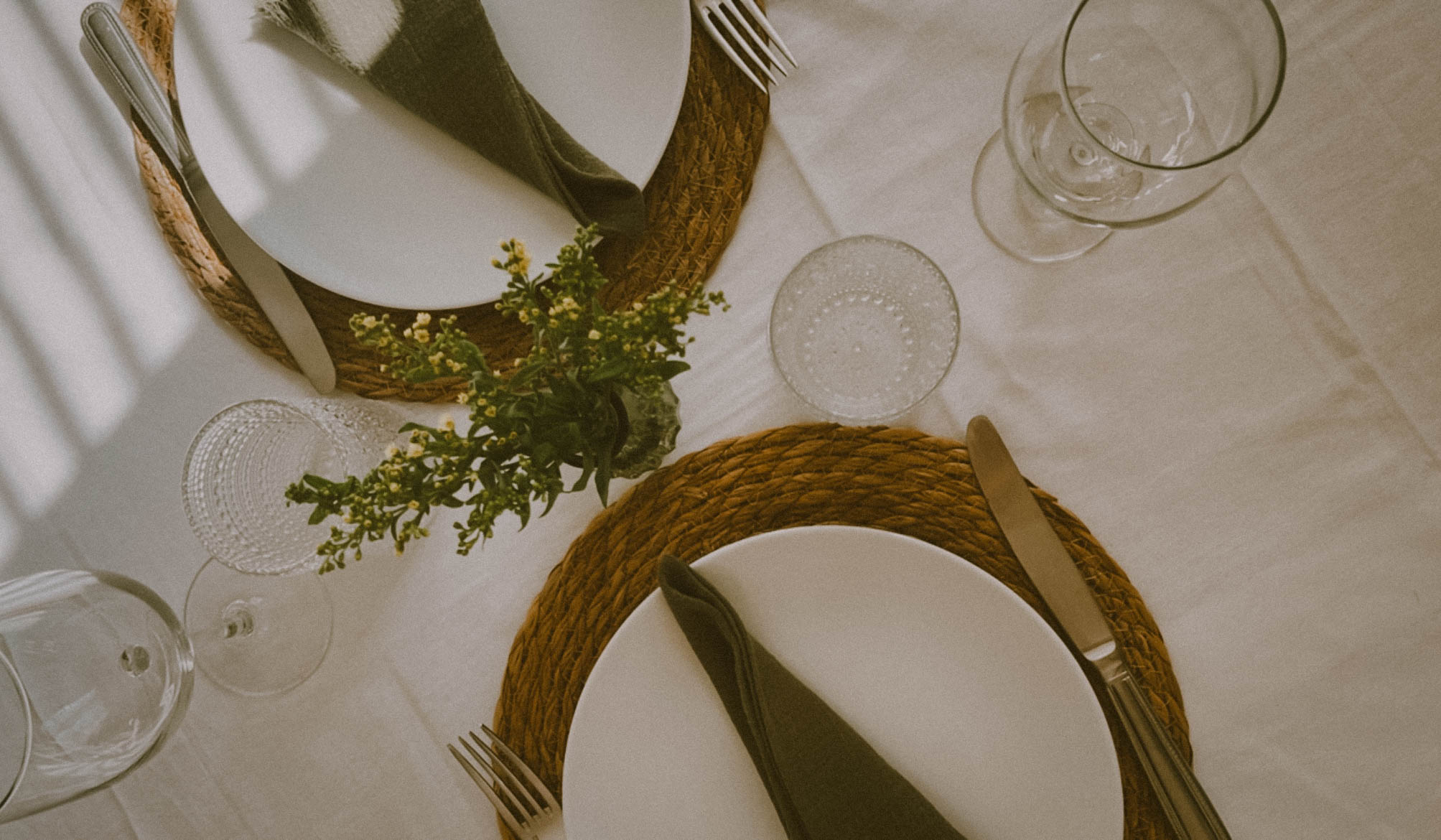
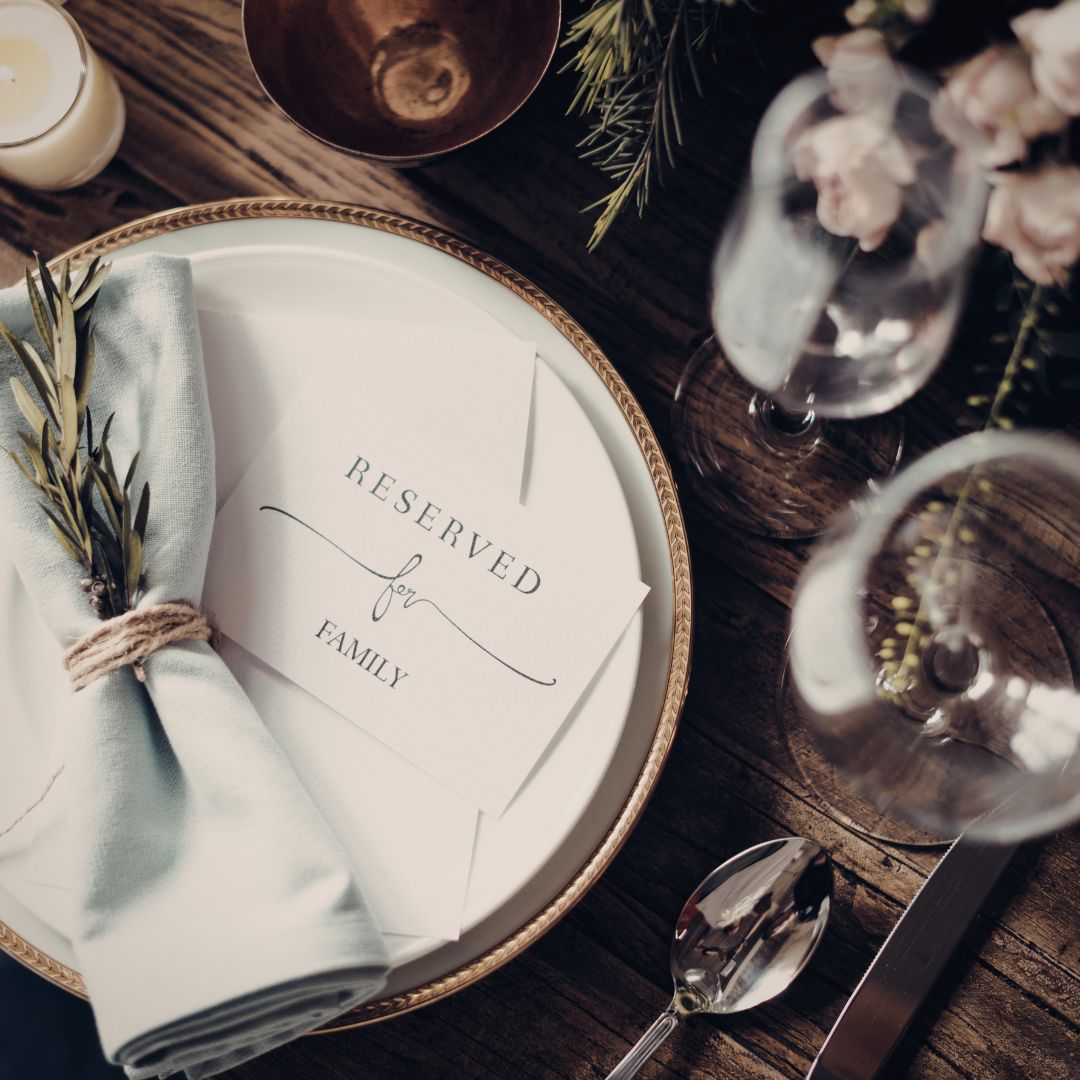
Choose cloth napkins, polished cutlery, and glassware that suits the meal including water glasses, and wine glasses if wine is being served. Beautiful centerpieces such as soft flowers to fit the color theme. If you wish, handwritten place cards can elevate the experience without overwhelming it. These small touches bring beauty and order to the evening, allowing your guests to settle in with ease.
Inviting Additional Guests
If a guest would like to bring someone along, it is their responsibility to ask first. As the host, it is entirely appropriate to say no especially if the event is intentionally small or space is limited. A kind but clear response might be:
“Thank you for asking. For this gathering, we’re keeping it to those originally invited, but I hope we’ll get the chance to include them another time.”
Respectfully setting boundaries ensures the event remains as planned and avoids last-minute stress.
Carry the Evening with Gentle Presence
During the meal, move through the evening at a relaxed pace. Offer second helpings, refill glasses discreetly, and be attentive without hovering. Hosting is not about performing; it’s about creating space for others to feel at ease.
If conversation begins to drift toward a tense or uncomfortable topic, redirect it with grace and a warm change of subject. And remember it’s perfectly appropriate to stay seated and enjoy your own meal. You’ve prepared the experience; allow yourself to be part of it.
The Quiet Power of Thoughtful Hosting
A well-hosted dinner doesn’t require perfection. What guests remember most is not the menu or décor it’s how they felt in your home. By leading with intention, calm, and genuine care, you create an experience that leaves a lasting impression. Hosting becomes less about performance, and more about presence.
A Note on Shoes in the Home
One often overlooked but meaningful gesture of respect is being mindful of whether to remove your shoes when entering someone’s home. In many households especially those with delicate flooring, or rugs shoes are removed at the door. If you’re unsure, the best approach is simple: ask “Would you prefer I take my shoes off?”
As a guest, it’s gracious to come prepared. If you’re wearing heels or shoes that are essential to your outfit, consider bringing a pair of clean indoor flats in your bag, just in case.
As a hostess, if you prefer shoes off in your home, it’s polite to let your guests know in advance especially if it’s a formal event and shoes are likely part of someone’s attire. A gentle mention in the invitation or upon arrival, along with a welcoming tone, will help guests feel comfortable while still honoring your preference.
This small exchange handled with clarity and kindness preserves the comfort and cleanliness of the home while allowing everyone to feel at ease.
Ending the Evening Gracefully
Before the evening comes to an end, offer guests tea or coffee. When the evening has run its course and guests are lingering, begin to gently signal the close of the night. Dimming the lights, softening the music, or quietly starting to tidy the table can help shift the tone. If needed, a kind closing line might be:
“It’s been such a lovely evening. I’m so glad we had this time together.”
Expressing sincere thanks and walking guests to the door leaves them feeling appreciated and welcome to return without overstaying.

A Final Reflection
A lady’s presence is never more felt than when she opens her home and heart to others. Hosting isn’t about perfection it’s about the quiet elegance of making people feel seen, comfortable, and valued. When you host with grace, you offer more than a meal—you offer belonging.
I hope this guide inspires you to open your home with confidence and heart. Whether you’re setting the table for two or twenty, your presence as a host makes all the difference.